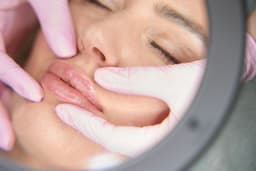
What to Expect When Peeling After a Chemical Peel
Medically advised by Dr. Sabeen Munib, MD.
Peeling after a chemical peel is one of the most common questions we hear once the treatment is over and the skin starts to flake. For most people, this shedding is a normal and expected part of how the skin sheds older, sun damaged surface cells and reveals fresher skin underneath. Knowing what to expect after treatment, how long peeling usually lasts, and how to care for your skin during the healing period can make the whole process far less stressful. In this guide we walk through what to expect while your skin is peeling, what to do and what to avoid, and when flaking may signal a problem worth a call to your provider.
Why Your Skin Peels After a Chemical Peel
Chemical peels work by applying a controlled acid solution that loosens the bonds between skin cells so the outer, damaged layer can shed. The flaking you see is that outer layer coming off. As the old skin lifts away, new skin cells move up to the surface, which is why many people notice a smoother, brighter look once the shedding has finished. This chemical peeling process is a sign that the treatment is doing what it is designed to do.
It helps to remember that not everyone peels the same way, and some people barely peel at all. Light or superficial chemical peels often cause only mild flaking, and a small amount of dry, tight skin may be the main thing you notice. Medium and deep chemical peels reach further into the skin and usually cause more visible shedding over a longer healing time. The amount of flaking does not always match the result. Even when it is minimal, the peel may still be working beneath the surface, so try not to judge the outcome by how much skin comes off.
What to Expect After a Chemical Peel: The Timeline
While every peel and every person is a little different, the healing pattern tends to follow a general timeline. Understanding it can help you plan around social events and know what is normal on each day.
Immediately after the treatment, and through the first one to two days, the skin often feels tight, warm, dry, or a little like a mild sunburn, with some redness. Flaking has usually not started yet during this early window. Around days three to five, visible peeling tends to peak, often beginning around the nose and mouth and spreading across the cheeks. This is the stage many people find hardest to look at, and it is sometimes called the ugly phase. From roughly days six to ten, the peeling slows down and fresh new skin is revealed underneath.
After a light peel, this whole process may be complete within three to seven days. A medium chemical peel treats deeper layers, so redness and shedding can last a bit more time. A deep chemical peel requires the most downtime and may need recuperation at home for two to three weeks while the skin heals. If you have an event coming up, it is wise to schedule your peel well before, not the week of, so your skin has time to finish.
Post-Chemical Peel Care: The Do's and Don'ts
Good aftercare protects your results and helps reduce the risk of complications such as scarring or infection. The goal of post-peel care during this period is to keep the skin calm, clean, and protected while it heals on its own schedule. Gentle, consistent care during a chemical peel recovery makes a real difference.
What to do
Wash gently with lukewarm water and a mild, fragrance free cleanser, using your fingertips rather than a washcloth or scrub, and treat the area as gently as possible. Use a bland, fragrance free moisturizer often to ease tightness and support the skin barrier while new skin forms. Sun protection matters more than almost anything else during healing, because fresh skin is especially vulnerable to sun damage. Use a broad spectrum sunscreen of SPF 30 or higher every day, and limit prolonged sun exposure while your skin recovers. If your provider gave you a specific ointment to apply after the peel, follow those directions closely, since ointment after treatment can support comfortable healing.
What to avoid
Do not pick, pull, peel, or scratch at any loose or flaking skin, even when it is tempting. Let it come off on its own. Avoid active acids, retinoids, alpha hydroxy acids, and physical scrubs until your skin has fully finished healing. Skip prolonged sun exposure and do not use a tanning bed while your skin is recovering. Try not to over exfoliate or over moisturize, since both can irritate skin that is already sensitive. Makeup is usually best delayed until your provider says the skin has healed enough, so ask before covering the area.
What Happens If You Pull or Pick the Peeling Skin
It is natural to want to help a hanging flake along, but pulling or picking at peeling skin can cause real harm. When you remove skin before it is ready to shed, you can expose raw tissue underneath, which raises the risk of infection, scars, and dark spots known as post inflammatory hyperpigmentation. Those marks can last far longer than the peel itself. The safest approach is to leave the skin alone and let it separate naturally. If a piece of skin is truly loose and in the way, trimming it gently with clean scissors is safer than tearing it off, though letting it fall away on its own is best of all.
When Peeling Signals a Problem
Most flaking, redness, and mild discomfort is expected and resolves on its own. Even so, some signs deserve prompt attention. Contact your provider or a medical professional if you notice severe or worsening pain, signs of infection such as pus, yellow crusting, or intense heat in the treated area, or open areas that last beyond two weeks. Skin that looks noticeably worse rather than better as the days pass, or that develops blistering, also warrants a call. When in doubt, it is always reasonable to reach out for medical guidance and have your skin looked at rather than wait.
Depth Matters: Light, Medium, and Deep Peels
Because healing depends so heavily on the depth of the peel, it helps to understand the differences. A light or superficial peel targets only the outermost layer of skin and usually causes mild flaking with little downtime. A medium peel reaches deeper and can treat more visible sun damage and uneven tone, with more shedding and more recovery time. A deep peel works on the deepest layers and can address more significant concerns, but it requires the most careful aftercare and the longest healing, and it is not right for every skin type. Matching the depth of the peel to your skin and your goals is part of why a professional assessment before treatment matters.
How We Approach Skin Resurfacing in Irvine
At our Irvine practice, we believe the best results come from matching the treatment to your skin rather than choosing the strongest option available. We take time to assess your skin type, your history, and your goals before recommending any resurfacing approach, and we explain what to expect after your peel so there are no surprises.
For a peel performed in office or another renewal option, our team can discuss choices such as laser skin resurfacing alongside chemical peels and explain the aftercare each one involves. Careful planning before treatment, and clear guidance during recovery, are what protect both your comfort and your results.
Frequently Asked Questions
Is peeling after a chemical peel good?
In most cases, yes. It is generally a normal sign that the outer, damaged skin is shedding so newer skin can surface. That said, the degree of flaking varies, and light or even minimal shedding does not mean the peel failed.
How long does peeling last after a chemical peel?
For a light peel, flaking often lasts about three to seven days. Medium peels may take a little more time, and a deep peel can involve two to three weeks of healing. Your provider can give you a timeline based on the specific peel you received.
What happens if you pull skin after a chemical peel?
Pulling skin before it is ready can expose raw tissue and raise the risk of scars, infection, and dark spots that may persist. It is safer to let the skin shed on its own.
What is the worst day after a chemical peel?
Many people find days three to five the most visible, since flaking often peaks then before fresh skin appears. This stage is temporary and usually improves within a few more days.
How can you tell if a chemical peel is working?
Signs that a peel is doing its job can include mild tightness, dry patches, flaking, and then smoother, brighter skin once healing is complete. Results build over time, and the amount of shedding is not a reliable measure of success.