
Quoted at consultation
15–30 min
3–10 days
Usually 1
4.97
Overview
Wart and Skin Tag Removal
Warts and skin tags are common skin concerns that can cause discomfort, irritation, and cosmetic distress. At Spectrum Skin Clinic in Irvine, CA, we offer precise, physician-supervised removal options for both conditions using advanced aesthetic technologies. Whether you are dealing with a stubborn wart or cosmetic skin tags on the neck or underarms, our team ensures safe and effective outcomes tailored to your skin type.
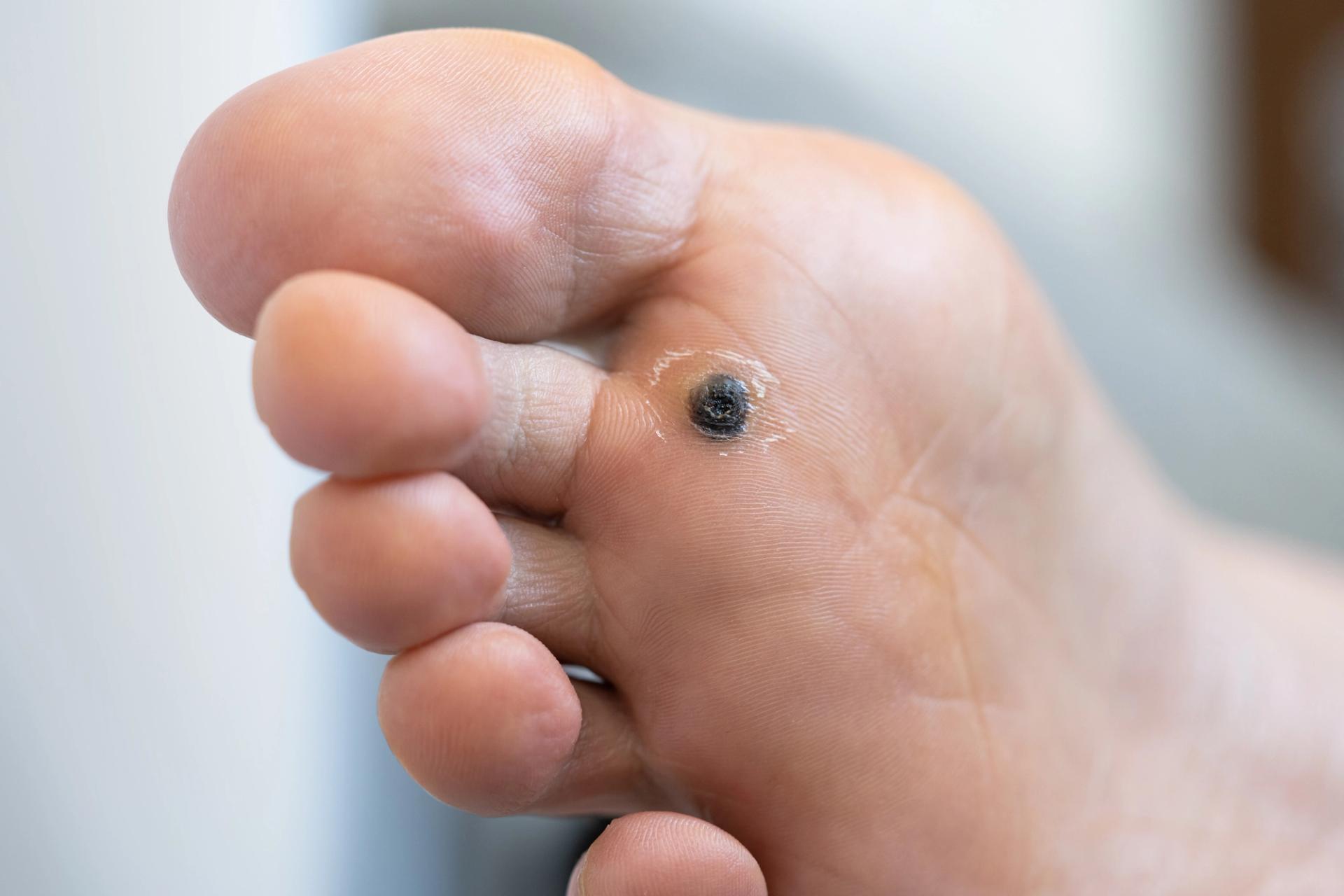
Warts are caused by the human papillomavirus (HPV) and can spread through skin contact or surfaces. They often appear on hands, feet, or knees and can be rough, raised, or flat. Skin tags are benign, flesh-colored growths that often develop in high-friction areas like the neck, armpits, eyelids, and groin. They are not contagious and are typically removed for cosmetic reasons.
The two look similar to patients and behave differently under treatment. A wart has a viral cause and a blood supply feeding it. A skin tag does not. Treating them identically is how recurrence and unnecessary scarring happen, which is why Dr. Sabeen Munib, MD examines the lesion before choosing a method.

Who treats you
Why Choose Spectrum Skin Clinic for Removal?
Medical oversight: all removals are performed or directly supervised by Dr. Sabeen Munib. Cosmetic precision: treatments are scar-conscious and tailored for darker skin tones and sensitive areas. Advanced technology: we use fractional CO2 laser, radiofrequency ablation, and the Nordlys Nd:YAG and IPL systems. Minimal downtime: most patients resume daily activities immediately.
Removing a growth is straightforward. Knowing which growth you are looking at, and whether it should be removed at all, is the part that requires a physician.
Spectrum is a medical practice and sees medical patients daily. A lesion that has changed in size, color or border is not treated cosmetically here. It is examined first, and referred where that is the right answer.
100%
15+
3
4.97
How the method is chosen
How the Removal Method Is Selected
Four decisions, made at the lesion rather than in advance.
Identify the lesion
Confirm what is actually being treated
Radiofrequency ablation
Skin tags and superficial warts in delicate areas
CO2 laser
Raised or stubborn lesions
Nd:YAG at 1064 nm
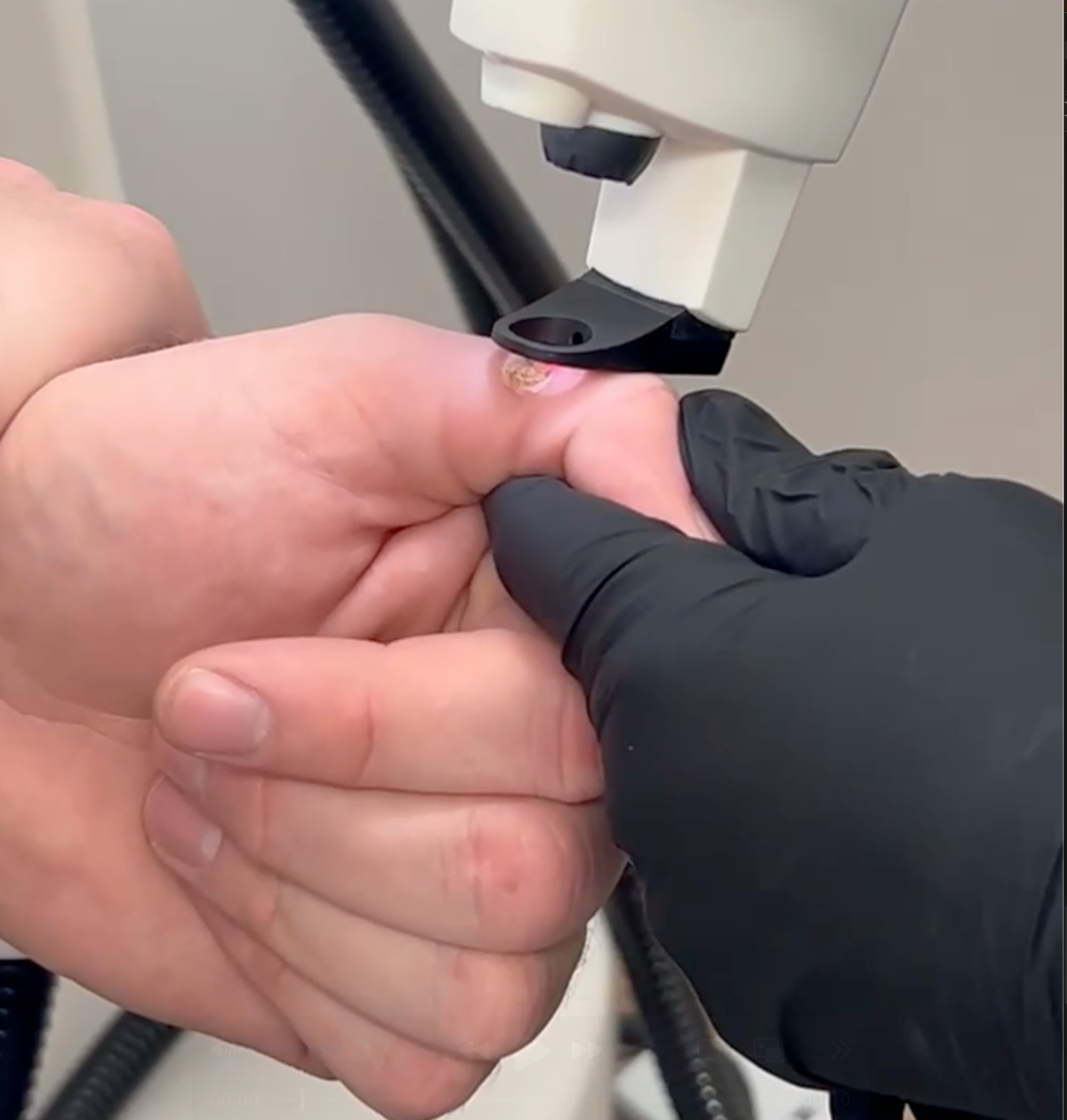
Warts with an established blood supply
15 to 30 minutes
topical anesthetic where needed, most lesions treated in one session
Why Warts and Skin Tags Behave Differently
A skin tag is a small outgrowth of normal skin and connective tissue, usually where skin rubs against skin or clothing. There is no infection driving it. Once removed, that specific tag does not return.
A wart is a viral infection of the skin. Human papillomavirus causes the cells to multiply, and the lesion develops its own blood supply. That is why a wart can regrow after the surface is treated, and why surface-only removal is often not enough.
Why the Blood Supply Matters
Treating a wart at the surface removes visible tissue but can leave the vessels feeding it intact. The virus persists in surrounding tissue and the lesion rebuilds.
Coagulating the vascular supply with a 1064 nm Nd:YAG wavelength addresses what is sustaining the wart rather than only what is visible. It is a slower-looking result and a more durable one.
Is this the right tool?
What Should and Should Not Be Removed Here
Some of these are straightforward. One of them is a reason to be examined rather than treated.
Sequencing
Combined Approaches
Candidacy
Who May Be a Candidate
Removal suits patients with benign growths that are irritating, catching on clothing or jewellery, or simply unwanted, and where the diagnosis is not in question.
It is not the right visit for anyone whose main concern is a changing mole. That is an examination, and treating it as a cosmetic request is the mistake this page exists to prevent.
How Dr. Munib Decides
She examines the lesion type, size, depth and location, assesses Fitzpatrick skin type for scarring and pigment risk, and checks whether anything present is suspicious. Delicate sites and darker skin tones shift the method toward radiofrequency and away from more aggressive vaporization.
Often a Reasonable Fit
Benign skin tags on the neck, underarms, eyelids or groin. Common warts on hands, feet or knees. Growths that catch on clothing or jewellery. Patients who want same-day removal with minimal downtime. Patients with multiple small lesions who would rather address them in one visit.
Where It Falls Short
We do not treat: suspected skin cancers or pigmented lesions without prior dermoscopic clearance; genital or mucosal warts; patients with active skin infections in the treatment area. Also a poor fit for anyone expecting that removal prevents new growths, since new lesions can form over time even when treated ones do not return.
What happens
What to Expect and When
The most common avoidable problem is picking the crust before it releases. That converts a clean healing site into a mark that lasts months.
Informed consent
Documented Risks
These are uncommon and they are real.
Post-inflammatory pigment change
The treated site can heal darker or lighter than surrounding skin, more likely in higher Fitzpatrick types. It usually settles over months. Method choice, conservative settings and sun avoidance during healing reduce the risk.
Scarring
Any removal disrupts the skin surface. Scar-conscious method selection and not disturbing the crust are the two largest factors. Raised or keloid scarring is more likely in patients with that history.
Recurrence of warts
Warts are viral and can return if the virus persists in surrounding tissue. This is a limit of treating an infection at the surface rather than a technical failure.
Infection
Uncommon, and reduced by keeping the site clean and following aftercare. Active infection in the area is a reason to postpone rather than proceed.
These risks are discussed before any lesion is removed.
How Risk Is Reduced
The lesion is identified before anything is removed, and anything suspicious is examined rather than treated. Method is matched to skin type and site, with delicate areas treated more conservatively.
Aftercare is the part the patient controls. Not picking the crust and avoiding sun on the healing site are the two instructions that most affect the final appearance.
Aftercare and Recovery
Cost
What Affects Your Cost
Cost depends on how many lesions are treated, what type they are and which method each one calls for. A single skin tag and a session addressing several warts across different sites are different visits.
Because that is decided at the examination, pricing is quoted at consultation. Patients are told the full cost before anything is removed.
Pay monthly with


The last question
Will It Leave a Mark?
The goal is skin that looks like nothing was there. Method selection is scar-conscious, and delicate or visible areas are treated more conservatively than the trunk for exactly that reason.
Most sites heal without a visible trace. Where a mark does persist it is usually pigment rather than scar, and pigment fades. The two things that most affect the outcome are not picking the crust and keeping sun off the site while it heals.
Explore
Related Treatments
Cherry Angioma Removal
Small firm red domes, which are vascular and treated with light rather than removal.
Rosacea Treatment
Persistent facial redness, when the concern is diffuse rather than a discrete growth.
Ingrown Hair Treatment
Recurring bumps along the beard or bikini line that turn out to be trapped hairs.
Pigmentation Treatment
Dark marks left behind after healing, treated once the site has fully settled.
Non-Ablative Fractional Laser
Textural scarring from prior removals, addressed once nothing new is forming.
Patient reviews
What Patients Say
4.97★ across 441 verified Boulevard patient reviews.

Deepak Jadhav

Mahjabeen Saeed

Jamel Neill
Questions
Frequently Asked Questions
Most patients experience mild discomfort. Numbing cream is used when needed, especially with laser or RF-based removal.
Removed tags do not return, but new ones can form over time due to skin friction or genetics.
No. Our treatments are offered for cosmetic relief and are not insurance-based. Transparent pricing is provided during your visit.
Home methods risk scarring or incomplete removal. Clinical treatment ensures safety, efficacy, and minimal trauma to surrounding skin.
Yes. We customize energy settings and modalities to safely treat Fitzpatrick I–VI skin types.
Most lesions are removed in one session. Stubborn warts may require more than one treatment, especially if viral in nature.
Most patients develop a small crust that resolves in 7–14 days. Avoid picking or exfoliating during this time.
Yes, with parental consent and on a case-by-case basis following consultation.
Yes. Many skin tags and small warts can be assessed and removed the same day at Spectrum in Irvine, and we see patients from across Orange County. Because removal is a medical procedure, Dr. Sabeen Munib, MD confirms the spot is a skin tag or wart, and not something that needs a closer look, before removing it. Call (949) 259-4790.
A wart is a viral infection caused by human papillomavirus and develops its own blood supply, which is why it can return after surface treatment. A skin tag is a benign outgrowth of normal skin with no infection behind it, usually where skin rubs against skin or clothing. Once removed, that tag does not come back.
It depends on the lesion type, its thickness, where it sits and your skin type. Radiofrequency suits skin tags and superficial warts in delicate areas like the eyelids and neck. CO2 laser suits raised or stubborn lesions. Nd:YAG at 1064 nm targets the blood supply of warts that have recurred.
Show it. A pigmented lesion that has changed in size, color or border is examined rather than removed cosmetically, and suspected skin cancers are not treated here without dermoscopic clearance first. That assessment costs nothing and is the reason to see a physician rather than a med spa.
A wart is a viral infection caused by human papillomavirus and develops its own blood supply, which is why it can return after surface treatment. A skin tag is a benign outgrowth of normal skin with no infection behind it, usually where skin rubs against skin or clothing. Once removed, that tag does not come back.
It depends on the lesion type, its thickness, where it sits and your skin type. Radiofrequency suits skin tags and superficial warts in delicate areas like the eyelids and neck. CO2 laser suits raised or stubborn lesions. Nd:YAG at 1064 nm targets the blood supply of warts that have recurred.
Show it. A pigmented lesion that has changed in size, color or border is examined rather than removed cosmetically, and suspected skin cancers are not treated here without dermoscopic clearance first. That assessment costs nothing and is the reason to see a physician rather than a med spa.