
Leah
$159
$90
$125
4 to 6 weeks
Overview
What Aesthetician Services Are, and Who Performs Them
Aesthetician services at Spectrum are the topical side of skin care: facials, superficial chemical peels, extractions, dermaplaning and lash services, performed by Leah, our licensed esthetician, inside a physician-led practice rather than a spa. That last distinction is not marketing. It determines who is allowed to treat you and what can be escalated when a facial is not the right answer.
California draws a firm line here. Estheticians work topically. Lasers, energy devices, microneedling and injectables are medical procedures that cannot be delegated to an esthetician regardless of who is supervising. Peels sit on both sides of the line and are attributed by depth, not by a single blanket byline.
The practical benefit of the physician-led setting is escalation. When Leah sees something that is not a topical problem, such as inflammatory acne that keeps returning or a pigment pattern that suggests melasma, the assessment moves to Dr. Munib in the same practice rather than being treated repeatedly with the wrong tool.
Why Patients Choose Spectrum
A Facial in a Medical Practice, Not a Spa Menu
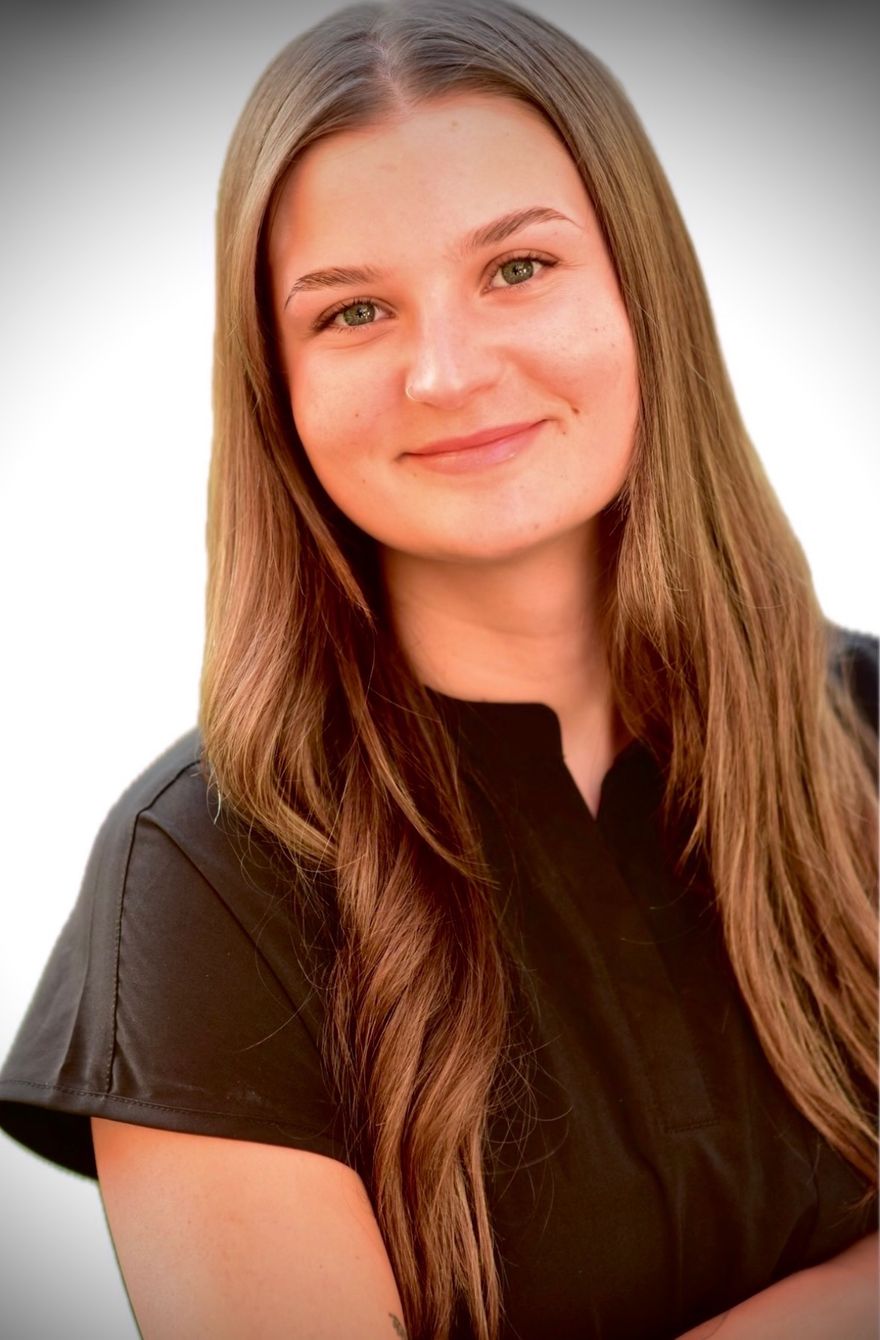
Leah is a licensed esthetician and performs the topical treatments on this page personally. Patients see the same aesthetician across a series, which matters more than it sounds: extraction technique, tolerance to acids and the way a particular face responds are things learned over visits, not read off a chart.
Dr. Sabeen Munib has practiced cosmetic dermatology in the Irvine area for more than fifteen years and oversees the practice. Medium and deep peels, laser and energy treatment, microneedling and injectables are performed by her.
We will also tell you when a facial is not the answer. Repeated facials for acne that is inflammatory and scarring is the most common way patients waste money in this category, and it delays treatment that would actually help.
4.97
15+
100%
1
Scope
Who Performs What, and Why It Matters
California scope of practice decides this, not preference. It is worth understanding before you book anywhere.
Facials, extractions, dermaplaning, lash services
Topical treatment of the skin surface
Superficial and light chemical peels
Controlled exfoliation of the outermost layers
Medium and deep chemical peels
Reach the deeper layers where pigment and texture sit
Lasers, energy devices, microneedling, injectables
Treatment below the skin surface
Peel depth
Peels are the one category that crosses the line. The same treatment name can be aesthetician-delivered at a superficial strength and physician-delivered at a medium one, which is why we attribute by depth rather than by service name.
What a Medical Facial Actually Does
A facial cleanses, softens and lifts what is sitting in and on the skin. Steam and enzymes loosen the plug of dead cells and sebum in a congested pore so it can be extracted, exfoliation removes the surface layer that makes skin look dull, and a mask and moisturiser settle the barrier afterwards.
That is genuinely useful for congestion, blackheads, dullness, roughness and dehydration. It is not a treatment for what sits below the surface. Collagen loss, dermal pigment, scarring and cystic acne are not surface problems, and no amount of topical treatment reaches them.
Why the setting changes the outcome
The difference a medical practice makes is not a stronger facial. It is correct triage and the ability to escalate. Products used at professional strength, a skin assessment before the first treatment rather than a menu chosen at the front desk, and a physician in the building when the finding is medical.
It also means being told no. Active inflammatory acne, an unhealed barrier or recent isotretinoin use are all reasons to postpone or change the plan rather than proceed because an appointment was booked.
Which Fits Which
Matching the Concern to the Treatment
Read down the left column to the concern that sounds like yours.
Combined Approaches
What These Treatments Pair With
Candidacy
Who These Treatments Suit
Most people are candidates for a facial. The useful question is not whether you can have one, but whether it is the treatment that will actually move your main concern, and that is what the consult establishes.
How we decide
Leah assesses skin type, barrier condition, current products, sensitivity and what you have reacted to before, then matches the treatment and the strength. Where the finding is medical rather than cosmetic, the assessment moves to Dr. Munib rather than being managed with repeat facials.
Often a good fit
Congestion, blackheads, dullness, rough texture, dehydration, peach fuzz, mild uneven tone, and ongoing maintenance between medical treatments.
Where a facial is not enough
Cystic or scarring acne, deeper pigment such as melasma, established wrinkles or laxity, and any active skin infection or unhealed barrier. Recent isotretinoin use is a reason to wait.
Timeline
What to Expect and When
A cadence of four to six weeks suits most people. Timelines describe the usual pattern and are not a promise of any individual result.
Risks
What Can Go Wrong, Stated Plainly
Topical treatment is low risk, not no risk. These are the ones worth knowing about.
Irritation and barrier damage
Over-exfoliation is the most common problem in this category, and it often comes from stacking professional treatment on top of strong home actives. Bring your current products to the consult so the plan accounts for them.
Post-inflammatory pigment change
Any inflammation can leave discolouration, particularly in darker skin types. Strength is adjusted accordingly and a patch or conservative first treatment may be used.
Breakout after extractions
Clearing congestion can bring underlying blockage to the surface in the days after a treatment. This usually settles and is not a sign the treatment failed.
Treating the wrong problem
The most costly risk is not physical. Repeated facials for a condition that needs medical treatment delays the thing that would have worked, which is why escalation matters more than the facial menu.
What a treatment can and cannot achieve is discussed before it begins, not afterwards.
How we limit it
Assessment before the first treatment rather than a menu chosen at the desk, strength matched to your skin and prior response, and a physician in the practice when the finding turns out to be medical.
Aftercare and Recovery
Cost
What Affects Your Cost
Price depends on the treatment and whether it is a single visit or a series. Facials on the current menu start at $159, dermaplaning is $125 as a full session and $75 as an add-on to another treatment, and a lash lift is $90 with lash lift and tint priced separately.
Peels are priced by strength rather than by name, which is also how they are attributed: superficial peels are performed by Leah, and medium or deep peels by Dr. Munib. Series and memberships are available and current pricing is confirmed at booking so that what you are quoted matches what you are charged.
Pay monthly with


The Fair Question
Is This Just a Spa Facial With a Markup?
Worth asking, because in many places it would be. The honest answer is that the treatment steps overlap heavily with what a good spa does. Cleansing, steam, exfoliation, extractions, a mask. Nobody should pretend those steps are proprietary.
What differs is triage and what happens when a facial is the wrong answer. In a spa, a course of facials for inflammatory acne continues until you stop booking. Here it stops, and the assessment moves to the physician in the same practice. That is the whole of the difference, and it is worth exactly as much as the number of times it changes your plan.
It also means we will tell you when the cheaper treatment is the right one. Dermaplaning before an event, rather than a peel series you do not need yet, is a common example.
Explore
Related Treatments
Lash Lift
Lifted, curled lashes without extensions or added weight. Performed by Leah.
Dermaplaning
Removes peach fuzz and surface dead skin, often before another treatment.
Chemical Peels
Peels by strength and depth, attributed to the right provider for each.
Glass Skin Facial
The Glacē hydrodermabrasion facial, our replacement for HydraFacial.
Acne Facial
For congestion and breakouts, with escalation when acne is medical.
Teen Facial
A gentler protocol for younger skin and early congestion.
Patient reviews
What Patients Say
4.97★ across 441 verified Boulevard patient reviews.

Mahjabeen Saeed

Deepak Jadhav

Jamel Neill

Questions
Frequently Asked Questions
Facials, superficial peels, dermaplaning, extractions and lash services are performed by Leah, our licensed esthetician, in a physician-led practice. Medium and deep peels, all laser and energy treatment, microneedling and injectables are performed by Dr. Sabeen Munib, MD. The split is set by California scope of practice, not by preference.
No. In California, estheticians are prohibited from operating lasers or IPL, and a physician cannot delegate laser operation to one regardless of supervision. Esthetician scope is topical: facials, superficial and light chemical peels, extractions, waxing, dermaplaning and lash services. Any laser, energy device or microneedling treatment here is performed by Dr. Munib.
No. We moved to the Glacē platform and no longer offer HydraFacial. Glacē uses diamond-tip hydrodermabrasion with cupping and lymphatic work, which covers the same cleanse, exfoliate and hydrate sequence patients came to HydraFacial for. If you booked HydraFacials elsewhere, the Glass Skin Facial is the closest equivalent on our menu.
It depends on your skin type, your main concern, and how much downtime you can accept. Congestion and blackheads point one way, dullness and dehydration another, and active inflammatory acne may be a medical conversation rather than a facial. A short consult lets Leah assess your skin and match you to the right treatment or series.
Most facials have no downtime and you can return to normal activities immediately. Superficial peels may cause mild redness or light flaking for a few days depending on strength. Medium and deep peels involve more visible peeling and are performed by Dr. Munib, who will set expectations before treatment.
For most people every four to six weeks supports steady results, though this varies by skin type and goal. Corrective plans such as a peel series are usually done as a set of three, spaced according to how your skin responds rather than to a fixed calendar.
Peels target pigment, uneven texture, dullness and acne. Strength is matched to your skin and goals. Superficial peels such as glycolic and salicylic are within aesthetician scope and are performed by Leah. Medium and deep peels such as TCA are performed by Dr. Munib. The attribution follows the depth of the peel, not the room it is done in.
Often yes, but sequence and timing matter. Because this is a physician-led practice, Leah and Dr. Munib coordinate facials, peels, injectables and energy treatments so they complement rather than interfere with each other. Treating pigment or inflammation first often gives a clearer read on what remains.
Yes. The Glacē membership is $199 every month, which covers the Glass Facial Deep 2 with diamond-tip hydrodermabrasion, a mild peel, cupping, lymphatic drainage, a mask and LED customised to your skin. Several other treatments are offered as a series. Current pricing is confirmed at booking.