
Quoted at consultation
30–60 min
2–4 days
3–5
4.97
Overview
Non-Ablative Fractional Laser Resurfacing
Non-ablative fractional laser resurfacing treats skin texture, surface pigment and early lines in Irvine by heating columns of tissue beneath the skin while leaving the outer layer intact, which is what keeps recovery to a few days instead of a few weeks.
Spectrum runs this treatment on the Nordlys platform, which carries two fractional wavelengths. The 1550 nm handpiece reaches deeper tissue and is generally chosen for scarring and textural change. The 1940 nm handpiece stays more superficial and is generally chosen for sun damage and surface roughness.
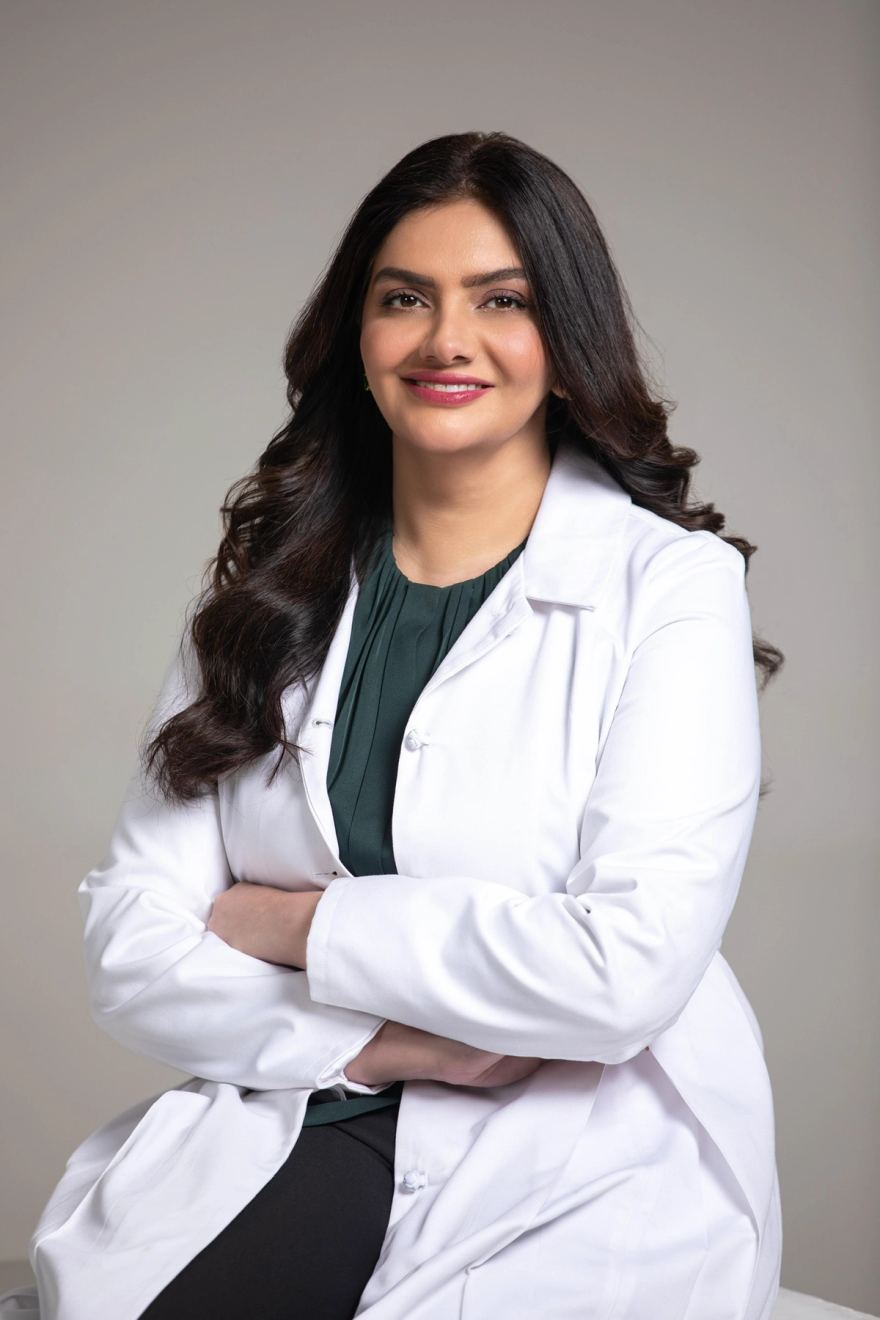
Having both matters because most patients do not present with a single problem. A patient with sun damage across the cheeks and shallow scarring at the jawline is being asked to treat two different depths. Dr. Sabeen Munib, MD selects the wavelength, density and number of passes for each area rather than running one setting across the whole face.
Who treats you
Why Patients Choose Spectrum for Fractional Resurfacing
Fractional resurfacing is a settings decision more than a device decision. Depth, density and pass count determine whether a patient gets a result or gets an injury, and those are chosen at the skin, not from a protocol sheet.
Dr. Munib examines pigment depth, skin type, prior laser history and current inflammation before selecting a wavelength. A patient with active melasma and a patient with sun-related freckling can look similar in a photograph and need different treatment.
Every laser treatment at Spectrum is performed personally by Dr. Munib. Settings are not delegated, and they are revisited between sessions based on how the skin actually responded rather than how it was expected to.
100%
15+
2
4.97
One patient
A Resurfacing Result, Read Honestly
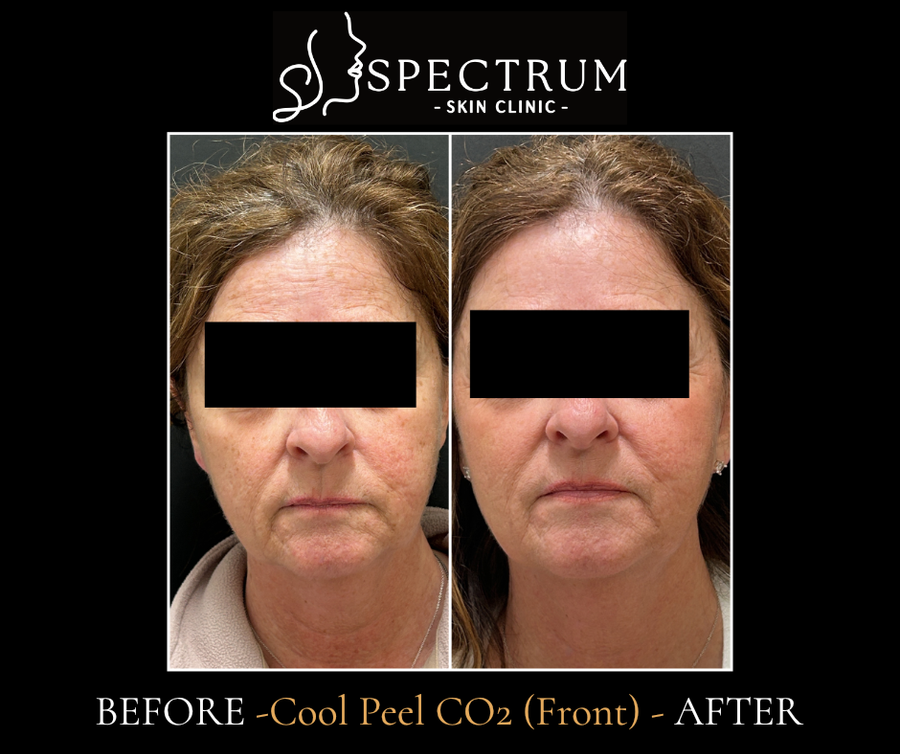
Laser skin resurfacing result showing smoother texture and firmer skin. This case was treated on a resurfacing platform at Spectrum, not specifically with the non-ablative fractional handpieces.
Look at the light behaving differently across the cheek rather than at the lines themselves. Resurfacing changes how skin scatters light before it visibly erases anything, which is why a real result often reads as evenness rather than as a removed wrinkle.
See All Results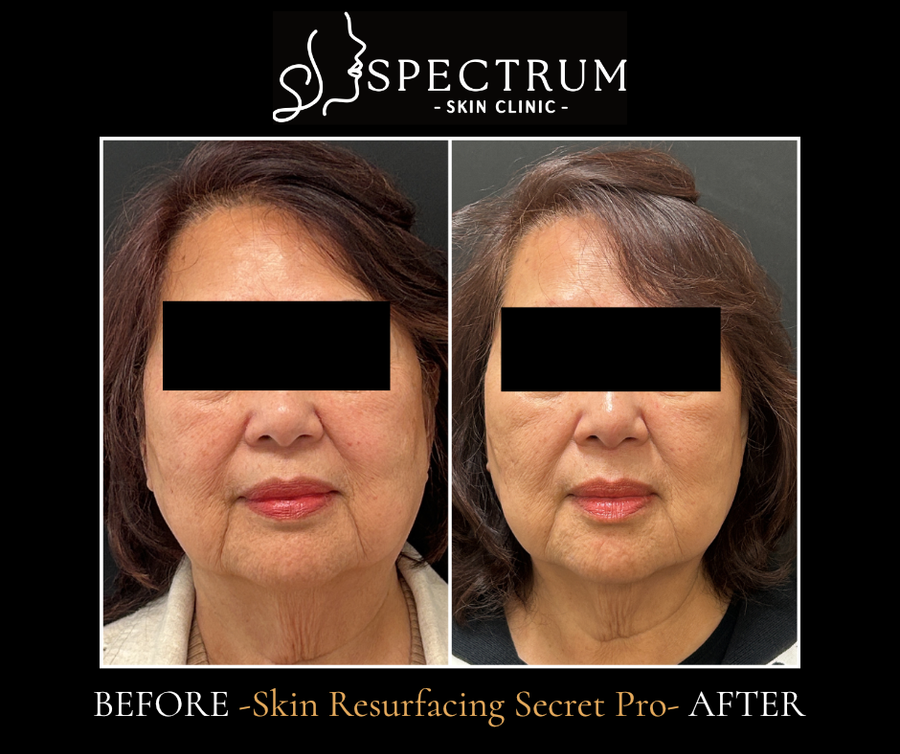
How the treatment is planned
How the Resurfacing Is Tailored
Four decisions are made before the first pass. Each one changes what the patient experiences and what the skin can achieve.
Wavelength selection
Match the depth of the problem
Density
Set how much skin is treated per pass
Zone mapping
Avoid treating unlike areas alike
Interval and staging
Let collagen respond before the next pass
3 to 5 sessions
spaced about four weeks apart, adjusted to how the skin responds
Real patients
Resurfacing Results at Spectrum
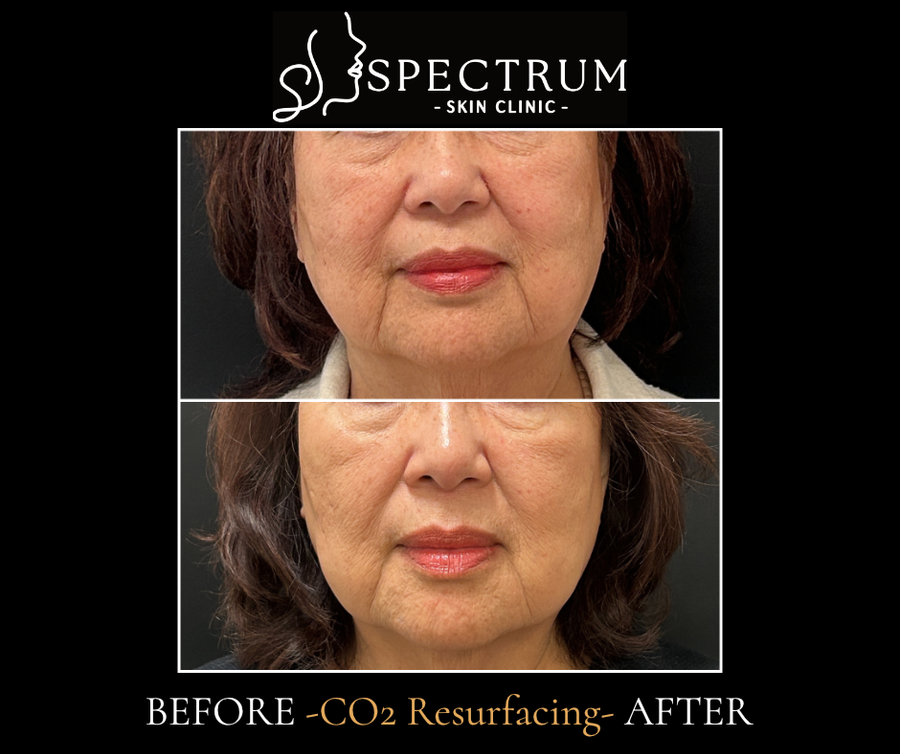
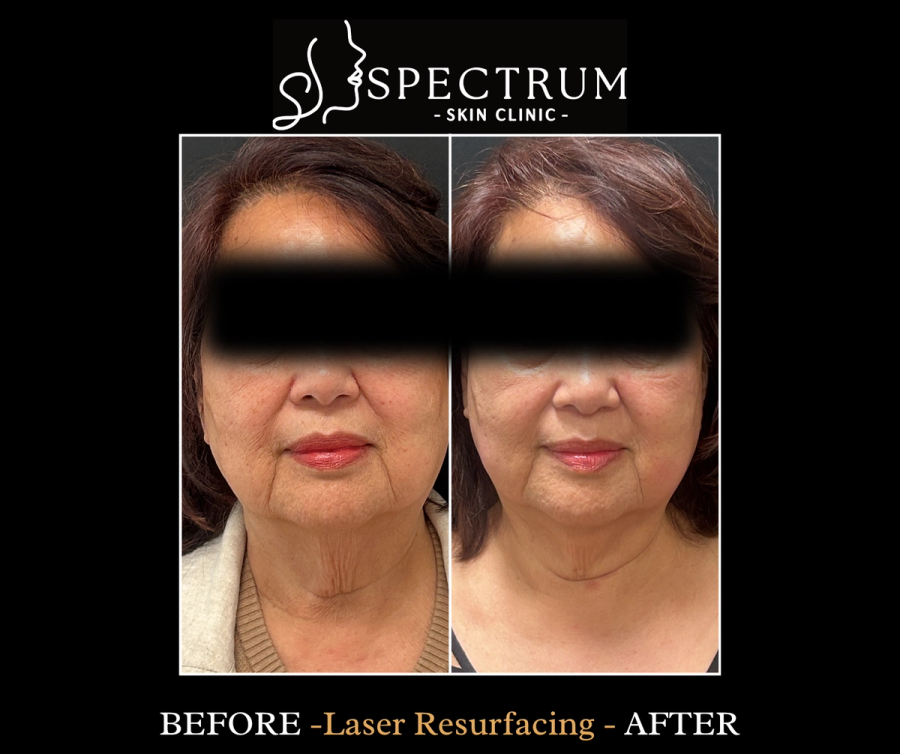
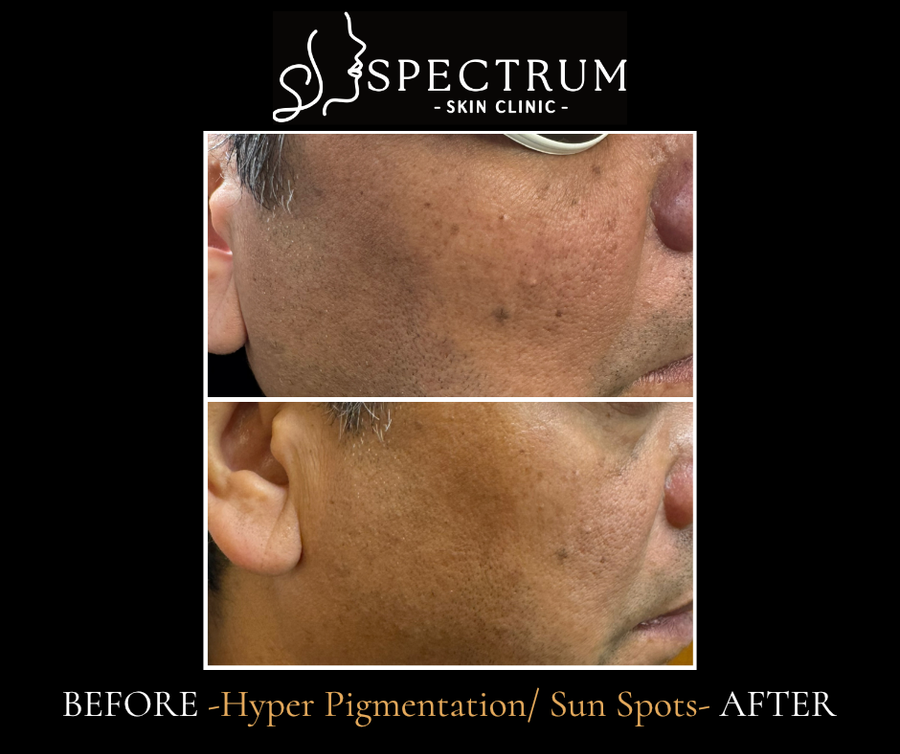
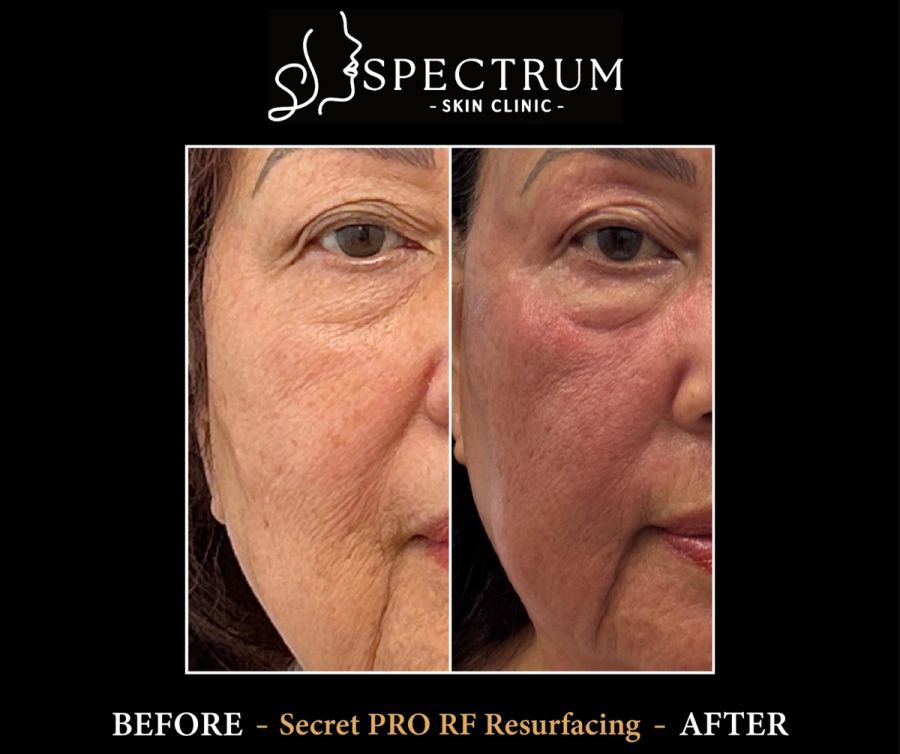
These cases were treated with resurfacing platforms at Spectrum. Device and modality are named on each card. None are stock images.
How Non-Ablative Fractional Resurfacing Works
The laser delivers energy in narrow columns rather than across the whole surface. Each column heats a cylinder of tissue below the skin. The untreated skin between columns is what allows the surface to stay intact and heal quickly.
That controlled heating triggers a wound-healing response in the dermis. Over the following weeks the tissue lays down new collagen, which is what gradually changes texture and firmness. The visible change trails the treatment by several weeks, so the result at day three is not the result.
Why Two Wavelengths Instead of One
Water absorbs 1940 nm energy far more readily than 1550 nm energy. Because skin is largely water, the 1940 nm beam gives up its energy near the surface while 1550 nm travels deeper before it does.
That physical difference is the reason a single-wavelength device forces a compromise. Treating deep scarring with a superficial wavelength underdelivers. Treating surface pigment with a deep wavelength risks heating tissue that did not need it.
Is this the right tool?
When Fractional Resurfacing Fits, and When It Does Not
The honest version. Some of these concerns are better served by something else.
Sequencing
Combined Approaches
Candidacy
Who May Be a Candidate
Non-ablative fractional resurfacing suits patients who want measurable change in skin quality and can commit to a staged plan rather than a single dramatic session.
It is a poor fit for anyone expecting one treatment to deliver what ablative resurfacing delivers. That expectation is the most common reason a patient is disappointed by a technically correct result.
How Dr. Munib Decides
She examines pigment depth and distribution, skin type, prior laser history, active inflammation and how much recovery the patient can realistically take. A patient with a wedding in ten days is not a candidate for a dense session, regardless of what their skin needs.
Often a Reasonable Fit
Rough or uneven texture. Sun damage across the cheeks and chest. Shallow acne scarring. Early fine lines. Patients who need to be back at work within a few days. Patients who have had ablative resurfacing before and want maintenance without repeating a long recovery.
Where It Falls Short
Deep or ice pick scarring, which generally needs subcision or ablative treatment. Etched static lines. Skin laxity, which this does not address at all. Active melasma, where heat may worsen the condition. Active acne or infection in the treatment area. Recent isotretinoin use. Patients who cannot commit to sun protection, because pigment risk after treatment is real and avoidable.
What happens
What to Expect and When
The most common misreading is at day five, when the surface has healed but the collagen response has not started. Patients who judge the treatment at that point conclude nothing happened.
Informed consent
Documented Risks
These are the complications that occur with fractional resurfacing. They are uncommon and they are real.
Post-inflammatory hyperpigmentation
The most relevant risk, particularly in higher Fitzpatrick skin types. Heat can trigger pigment production, leaving the treated area darker than before. It usually settles over months and may be managed with pigment suppression. Risk is reduced by conservative settings and strict sun avoidance.
Prolonged redness
Redness beyond the expected few days occurs in some patients, more often on the neck and chest. It generally resolves but can take several weeks and is more likely at higher density.
Infection and reactivation of cold sores
Any treatment that disrupts the skin barrier can allow infection. Patients with a history of cold sores may be given antiviral prophylaxis before perioral treatment.
Under-response
Some patients see less change than the plan predicted. This is not a complication so much as a limit, and it is more likely when the underlying problem was laxity or deep scarring rather than surface quality.
These risks are discussed at consultation before any treatment is scheduled. A patient who has not had that conversation has not consented to the treatment.
How Risk Is Reduced
Settings are chosen after examining the skin and reviewing prior laser history. Test areas may be used in patients with pigment risk before treating a full face.
Sun protection during recovery is the single largest factor the patient controls. Patients who cannot commit to it are better served by a different treatment.
Aftercare and Recovery
Cost
What Affects Your Cost
Cost depends on the size of the area treated, which wavelength the plan calls for and how many sessions are needed. A single zone treated superficially and a full face treated across five staged sessions are different plans with different totals.
Because those variables are set at the examination rather than in advance, pricing is quoted at consultation. Patients are given the full plan cost before anything is scheduled, not session by session.
New patients: 15% off your first treatment.
Pay monthly with

The last question
Will It Look Like I Had Something Done?
Non-ablative resurfacing changes skin quality rather than shape or volume. Nothing about the face is moved or filled, so there is no altered feature for anyone to notice.
What people tend to observe is that skin catches light more evenly. The change arrives gradually across weeks, which is part of why it reads as skin looking well rather than skin looking treated.
Explore
Related Treatments
Fotona Erbium Laser Resurfacing
When a deeper result is needed in fewer sessions and the patient can take a longer recovery.
Fractional CO2 Laser
Ablative CO2 resurfacing, for established scarring and etched lines that non-ablative treatment will not reach.
Nordlys IPL
IPL on the Nordlys platform, generally the better first step for vascular redness and flat sun spots.
Laser Skin Resurfacing
The overview of every resurfacing option at Spectrum, if you are still deciding between them.
Acne Scar Treatment
Acne scarring specifically, where scar type decides whether resurfacing is the right first move.
Melasma
Melasma, where heat-based treatment is approached cautiously and is rarely the first step.
Patient reviews
What Patients Say
4.97★ across 441 verified Boulevard patient reviews.

Mahjabeen Saeed

Deepak Jadhav

Jamel Neill
Questions
Frequently Asked Questions
Ablative lasers remove the surface layer of skin. Non-ablative lasers pass through that layer and heat tissue underneath, leaving the surface intact. That is why recovery is measured in days rather than weeks. The trade-off is that non-ablative treatment usually needs more sessions to reach a result an ablative laser might reach in one.
CO2 is ablative and removes tissue. It does more per session and asks for more recovery, often seven to fourteen days. Non-ablative fractional treatment asks for less downtime but is usually staged across three to five sessions. Which one suits a patient depends on scar depth, skin type, pigment risk and how much recovery time they can take.
The 1550 nm wavelength reaches deeper into the dermis and is generally selected for scarring, textural irregularity and early lines. The 1940 nm wavelength is absorbed more superficially and is generally selected for surface pigment, sun damage and rough texture. Dr. Munib may use one or both in the same visit depending on what is being treated.
Most treatment plans run three to five sessions spaced about four weeks apart. Superficial texture and pigment concerns may need fewer. Established scarring generally needs more. The number is set after the skin is examined, not before.
Non-ablative fractional treatment is often considered in higher Fitzpatrick skin types because it spares the surface, but the risk of post-inflammatory hyperpigmentation is real and depends on skin type, prior laser history and current inflammation. Dr. Munib assesses this individually and may recommend pretreatment or a different modality.
Expect redness and a sandpaper texture for two to four days, similar to a moderate sunburn. Some patients see fine bronzed flecks that shed over about a week. Makeup is usually tolerated after 48 hours. Sun protection is not optional during recovery.
Pricing depends on the area treated, the wavelength selected and how many sessions the plan calls for. Because those are set at the examination, cost is quoted at consultation rather than listed as a flat price.
It is often staged alongside IPL for vascular redness, or alternated with ablative resurfacing when a patient wants a deeper result without a single long recovery. Combining is a sequencing decision and depends on how the skin responds to the first sessions.