Fotona 4D Before and After: What Results to Expect in Irvine, CA
Medically advised by Dr. Sabeen Munib, MD.
If you have searched for Fotona 4D before/after photos, you are likely trying to answer one question: what can this laser realistically do for my skin? At Spectrum Skin Clinic in Irvine, we believe an honest answer matters more than a dramatic gallery. Fotona 4D is a non-invasive, non-surgical laser treatment that works gradually, and understanding how before/after results build over time helps you set expectations that match reality.
What Fotona 4D Actually Is
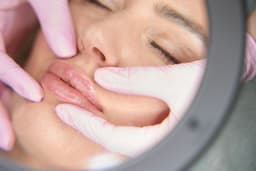
Fotona 4D is a non-invasive laser facial rejuvenation treatment that uses an Er:YAG laser along with a longer near-infrared wavelength. The name refers to four different modes, including an intraoral step and a skin resurfacing step, that a provider may combine in a single Fotona treatment. One of these modes uses a gentle SMOOTH pulse designed to warm the deeper layers of the face while leaving the surface intact. This controlled heating is intended to stimulate collagen over time. Because the procedure does not rely on injectables or surgery, many patients describe the experience as comfortable, with little to no downtime, and some see it as a form of non-surgical lifting.
What Before and After Results Realistically Look Like
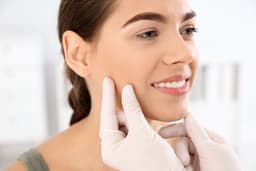
When you look at Fotona 4D before/after images, it helps to know what the laser is designed to address. In appropriate patients, the Fotona laser may support mild skin tightening, a smoother surface texture, and a more refreshed facial appearance. Some people notice softening of fine lines around the mouth and eyes. Results vary from person to person, and factors such as age, skin quality, sun history, and the number of treatments all influence what you see. Fotona 4D is not a surgical facelift and does not replace surgery. It is better understood as a gradual skin rejuvenation and resurfacing treatment than as a single dramatic transformation.
The Fotona 4D Results Timeline
Many patients ask how long it takes for Fotona 4D to work. An immediate freshness or tightening effect can sometimes be seen soon after a session, but this early response is temporary. The more meaningful change comes from new collagen taking place gradually over roughly two to three months. Because this remodeling is slow, a series of laser treatments spaced several weeks apart is often recommended, followed by periodic maintenance sessions to help sustain the effect. If you are comparing before and after photos, look at the interval between them. An image taken the same day mostly reflects short-term tightening, while photos taken months apart better reflect true change.
Who Is and Is Not a Good Candidate
Fotona 4D may be a reasonable option for adults with early to moderate signs of aging who want a non-surgical approach and are comfortable with gradual, subtle change. It is often chosen by people who are not ready for surgery or who prefer to avoid injectables. Now that many non-invasive options exist, it helps to compare them honestly. This Fotona treatment may be less suitable for those seeking the degree of lift that only a surgical facelift can provide, or for anyone with significant skin laxity. Certain skin conditions, active infections, recent sun exposure, pregnancy, or specific medications may make treatment inadvisable. During a consultation in Irvine, we review your skin, your history, and your goals before deciding whether Fotona 4D is appropriate for you.
How to Read Before and After Photos Honestly
Before and after galleries can be helpful, but they are marketing images, not guarantees. Lighting, camera angle, makeup, and photo timing can all change how a result appears. We encourage each patient to ask how many treatments produced a given result, how much time passed, and whether other options were combined. Honest providers will tell you that results vary and that maintenance is part of the plan. No one can promise you a specific outcome from a laser, and we will never do so.
What to Expect at Spectrum Skin Clinic in Irvine
At Spectrum Skin Clinic, we treat Fotona 4D as one tool within a broader plan for skin health and wellness. A typical laser session takes under an hour, and most patients return to normal daily activities soon after. We set expectations clearly, document your progress over time, and adjust the plan as your skin responds. If you would like to learn whether this Fotona facelift approach fits your goals, we invite you to review our Fotona 4D service page and to book a consultation with our team.
Frequently Asked Questions
How long does it take for Fotona 4D to work?
A light freshness or tightening can sometimes be noticed soon after a session, but the meaningful change comes from new collagen and tends to build gradually over about two to three months. What you see often improves across a series of treatments rather than after a single visit.
Does Fotona 4D really work?
In appropriate patients, Fotona 4D may produce mild tightening, smoother texture, and a more refreshed look. It works with your own skin, so the changes are gradual and subtle rather than dramatic, and outcomes vary from person to person.
How much does Fotona 4D cost?
Pricing depends on the number of treatments in your plan, the areas treated, and your individual goals. We review costs transparently during a consultation so you understand what a full course may involve before you begin.
Is Fotona 4D better than Morpheus8?
Neither is universally better. The Fotona laser targets surface texture and mild tightening, while Morpheus8 uses microneedling with radiofrequency for deeper structural tightening. The right choice depends on your skin and your goals, and the two are sometimes used together.
Is Fotona 4D worth it?
For someone who wants a non-surgical option and realistic, gradual results, Fotona 4D may be worthwhile. It is not a substitute for surgery, and maintenance sessions are usually needed to sustain the effect. A consultation is the best way to decide.