How to Get Rid of Milia: A Doctor's Guide for Irvine, CA
Medically advised by Dr. Sabeen Munib, MD.
If you have noticed small, firm white bumps on your face that will not pop like a normal pimple, you are likely looking at milia. These tiny white bumps show up most often around the eyes, on the cheeks, and across the nose, and they can linger for weeks or months. The good news is that milia are harmless. The frustrating news is that they rarely respond to the same tricks that clear other blemishes, which is why so many people search for how to get rid of milia and come away confused.
Below we walk through what milia are, what causes them, how to treat milia safely at home, and when professional milia removal is the smarter path.
What Are Milia?
Milia are small cysts that form when keratin, a protein found in your skin, gets caught under the surface. Instead of shedding the way old skin cells normally do, the dead skin cells and keratin collect in a tiny pocket just beneath the top layer of skin. The result is a small, dome shaped white bump, sometimes called a milk spot, that sits close to the surface. Small white bumps like these are usually painless and are not a sign of infection or poor hygiene. Many people first notice these milk spots near the delicate skin around the eyes, where the skin is thin and heavy products can settle.
Because milia sit beneath an intact layer of skin, there is no open pore to squeeze. That is the key difference between milia and a whitehead, and it is the reason milia often frustrate people who try to remove them the way they would treat acne. Understanding milia formation is the first step toward clearing them safely rather than making them worse.
What Causes Milia?
Milia form when the skin cannot shed its old skin cells efficiently and keratin has nowhere to go. Several things can contribute. Sun damage thickens the outer layer of skin over time and makes it harder for the skin to turn over, so chronic exposure is a common factor. Skin injury or trauma, such as a burn, a blistering rash, or aggressive resurfacing, can trigger what are called secondary milia in the healing area. Heavy eye creams, rich moisturizers, and thick occlusive products can also hold oils and dead skin near the surface and encourage milia to appear.
There are a few different types of milia: primary milia, secondary milia, neonatal milia, and milia en plaque. Knowing yours helps set expectations, and we use that type to guide care. Primary milia develop directly from keratin caught in the skin and are the type most adults notice on the face. Secondary milia form after the skin has been damaged. Neonatal milia are extremely common in newborns and clear on their own without treatment; this neonatal milia pattern is the most likely to resolve without any intervention. A rarer pattern called milia en plaque appears as a raised patch and usually needs a dermatologist to evaluate it. While milia can look alike to the eye, the type drives the plan, because some milia go away on their own while others are stubborn.
Do Milia Eventually Go Away?
For newborns, milia almost always go away without any treatment within a few weeks. For adults, primary milia may resolve slowly, but many will persist for months because the caught keratin has no clear route to the surface. If your milia have not budged after a season of good skin care, that is a reasonable point to consider professional help rather than waiting indefinitely.
How to Get Rid of Milia at Home
For mild cases, a patient skin care routine can help the skin shed the caught cells and reduce the tiny white bumps over time. Keep in mind that home care works gradually and may take several weeks before you see a difference. As you read this article, remember that consistency matters more than any single product.
Gently exfoliate
Chemical exfoliants are more effective and gentler than scrubs for milia. Use salicylic acid to help clear buildup because it works inside the pore lining, while glycolic acid and other gentle acids loosen dead skin on the surface. Using an exfoliating product two or three times a week is usually enough, even for sensitive skin, as long as you introduce it slowly.
Add a retinoid
Over the counter adapalene gel or a retinol cream can boost skin cell turnover so caught keratin is shed more readily. Introduce a retinoid slowly to avoid irritation, and apply a small amount around, not directly into, the eye area of your face.
Lighten your products
Use oil free, non comedogenic moisturizers and avoid heavy eye creams that hold oils near the surface. Cleanse twice daily to keep dead skin from building up. A light facial sunscreen every morning protects against the sun damage that makes milia more likely to form and return, and it protects the rest of your face at the same time.
What you should not do is try to remove milia yourself.
Can You Pop Milia With a Needle?
We strongly advise against popping milia with a needle at home. Because there is no open pore, digging at a milium can tear the skin, introduce bacteria, and leave a scar or a dark mark that lasts far longer than the bump would have. Home extraction also tends to be incomplete, so the milia return. Safe extraction uses a sterile lance to create a controlled opening and then eases the keratin out, and that is a step best left to a trained provider.
Professional Milia Removal Options
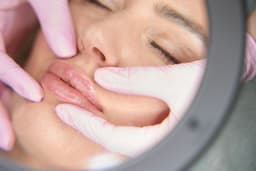
When home care is not enough, a dermatologist or licensed provider can remove milia quickly and safely. Common in office options include manual extraction, where a sterile instrument creates a tiny opening so the keratin can be lifted out, and de-roofing, which uses a fine blade to open the cyst. Cryotherapy freezes stubborn bumps, and for widespread or persistent milia, laser treatment can precisely target the keratin held under the skin. In appropriate patients, a prescription tretinoin cream may also be recommended to speed skin turnover between visits.
Professional milia removal is usually fast and well tolerated. The right choice depends on how many milia you have, where they sit, and your skin type, which is why an in person evaluation matters more than any single at home product.
How to Prevent Milia
Prevention centers on helping your skin turn over and protecting it from damage. Daily sunscreen limits the damage that thickens skin and encourages milia to form. A consistent routine with a gentle chemical exfoliant a few times a week keeps dead skin cells from collecting. Choosing lighter, non comedogenic products, especially around the eyes, reduces the oil held near the surface that feeds milia. These habits will not guarantee you never see another milk spot, but they meaningfully lower how often milia appear on your face.
How We Treat Milia in Irvine, CA
At Spectrum Skin Clinic in Irvine, we start with a close look at your skin to confirm the bumps are milia and to identify the type. From there we build a plan that may combine safe in office extraction with a simple home routine to prevent new milia.
For clients with widespread or recurrent bumps, or with milia tied to sun damage and skin texture, we may recommend laser skin resurfacing, which resurfaces the top layer of skin, encourages healthy turnover, and can address the underlying texture that lets milia form. Every plan is medically guided and tailored to your skin rather than a one size fits all product list.
Frequently Asked Questions
Do milia eventually go away?
In newborns, milia clear on their own within weeks. In adults, primary milia may resolve slowly but often persist for months, so treatment is reasonable if they bother you.
What is milia caused by?
Milia form when keratin and dead skin cells become caught under the surface of the skin. Sun damage, skin injury, and heavy occlusive products are common contributors.
What is the best product to remove milia?
No single product removes milia instantly. A salicylic acid exfoliant paired with an adapalene or retinol retinoid is a common at home combination, though stubborn milia usually need professional removal.
Can I pop milia with a needle?
No. There is no open pore to squeeze, so poking at milia with a needle can scar the skin and cause infection. Leave extraction to a trained provider.
How do you dissolve milia naturally?
Gentle chemical exfoliation with salicylic or glycolic acid, consistent cleansing, and lightweight products can help the skin shed caught cells over time, but there is no instant natural fix.
Is milia caused by poor hygiene?
No. Milia are not a sign of poor hygiene. They reflect how the skin sheds keratin, and they can affect people with excellent skin care routines.