

12
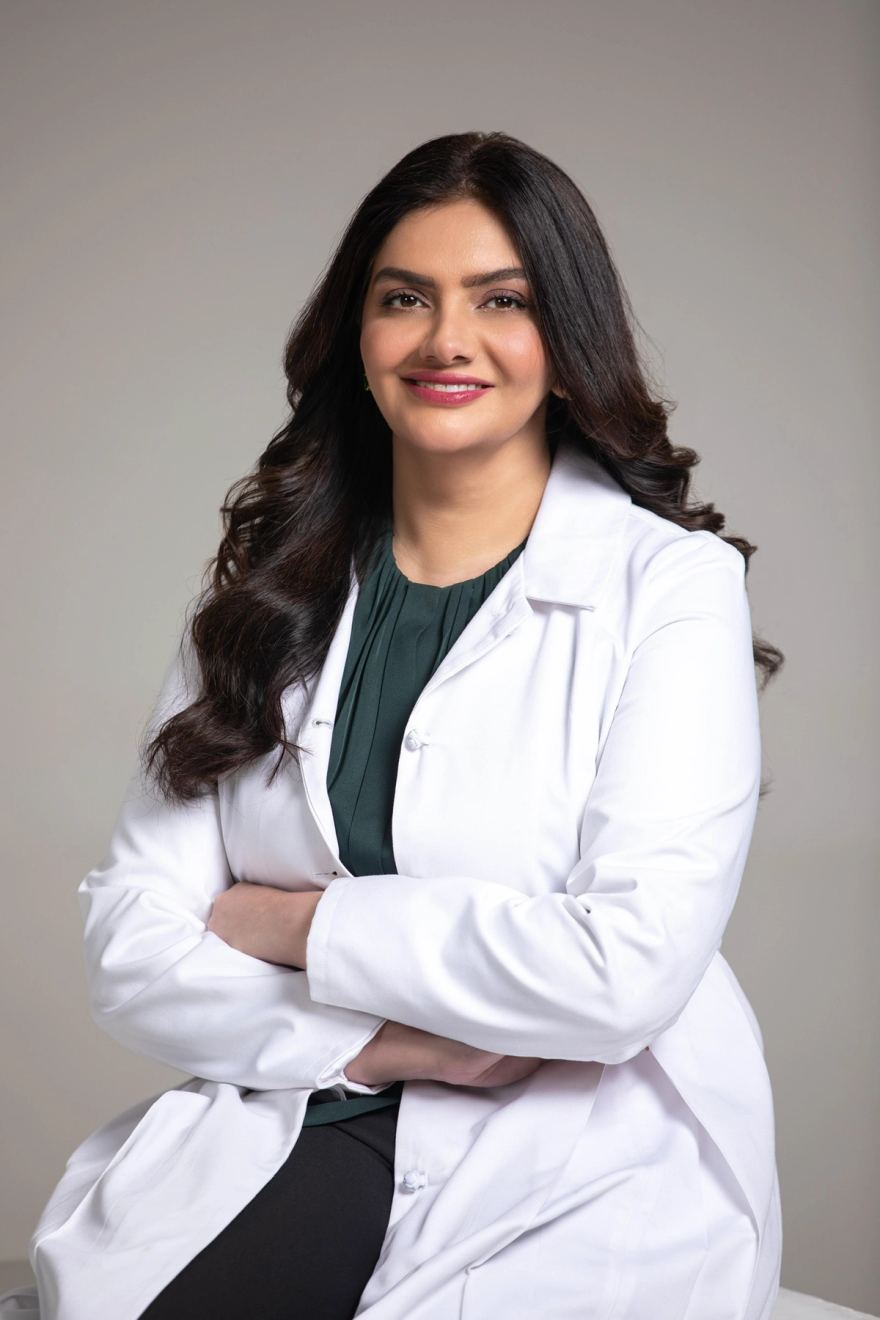
Dr. Sabeen Munib, MD
$300
Before any plan
Assessed individually
Overview
Twelve Platforms, and Why That Is the Point
Spectrum runs twelve laser, light, radiofrequency and ultrasound platforms, all operated by Dr. Sabeen Munib. That is an unusual number for a practice this size, and it is a deliberate choice rather than an accident of accumulation.
The reason is simple. No single device treats pigment, vascular redness, surface texture, laxity and unwanted hair well. Each of those responds to a different wavelength, pulse duration or energy type. A practice built around one signature laser has to route every patient toward that laser, which serves the patients whose concern happens to match it and quietly underserves the rest.
What follows is the roster grouped by what each platform is actually for, a decision table you can read against your own concern, and honest notes on the devices we do not own and chose not to buy.
Why Patients Choose Spectrum
The Device Follows the Diagnosis
The most common way patients are poorly served in this category is being matched to whatever the clinic owns. It rarely looks like bad advice at the time, because most devices produce some result on most concerns. It shows up later as a series that never quite worked.
Dr. Munib has practiced cosmetic dermatology in the Irvine area for more than fifteen years and operates every one of these platforms personally. California does not permit laser or IPL operation to be delegated to an esthetician under any level of supervision, so the physician who assesses your skin is the one who selects the device and the settings.
Where the honest answer is that no device here is the right tool, that is what you will be told. Some concerns are surgical, some are medical, and some are better served by a platform we do not own.
12
15+
100%
4.97
The Roster
The Platforms, Grouped by What They Are For
Twelve platforms in four families. Which family your concern belongs to is the first decision.
Pigment and vascular
Break down pigment and treat redness and vessels
Resurfacing and texture
Change the surface of the skin directly
Tightening and contouring
Firm tissue and reduce laxity without surgery
Hair and specialty
Reduce hair and treat specific conditions
Glacē
Glacē is a hydrodermabrasion device rather than an energy platform, and it replaced HydraFacial here. It is listed with the roster because patients ask about it in the same breath, not because it belongs to the same category.
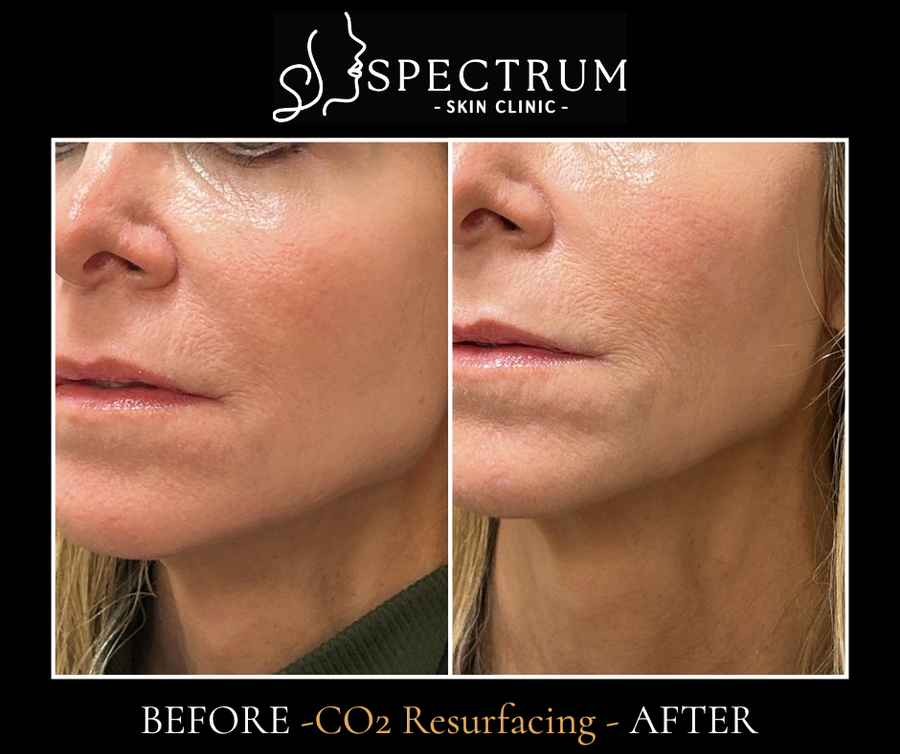
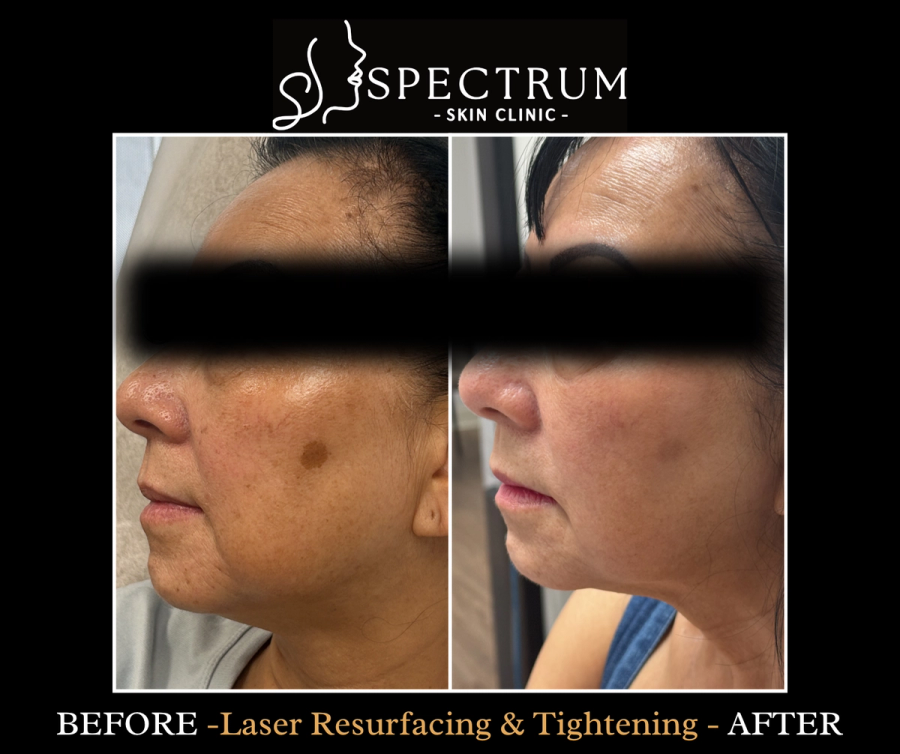
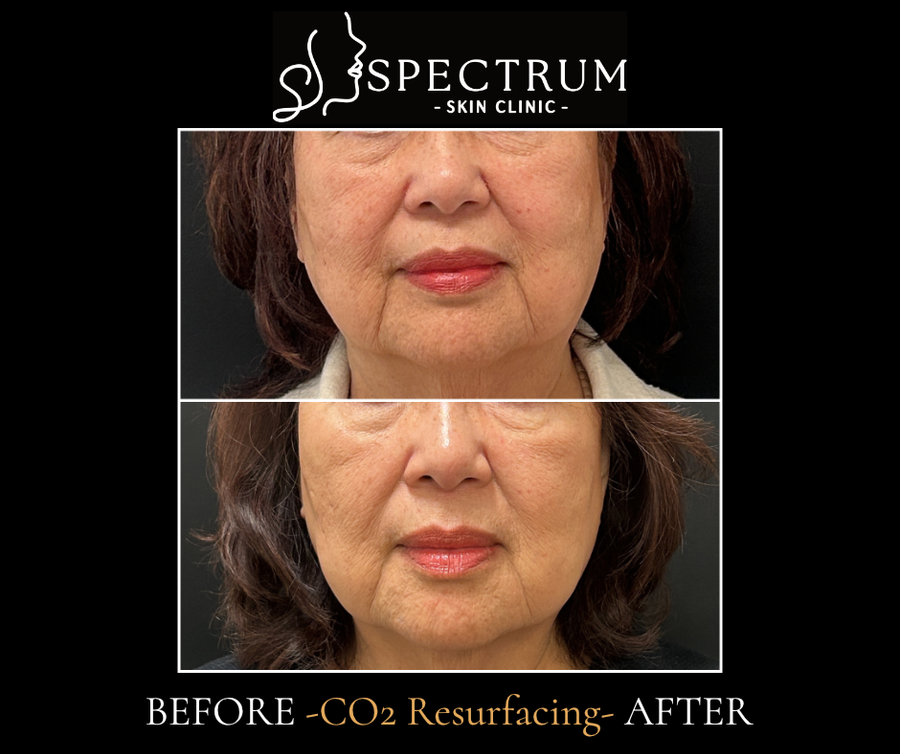
Real patients
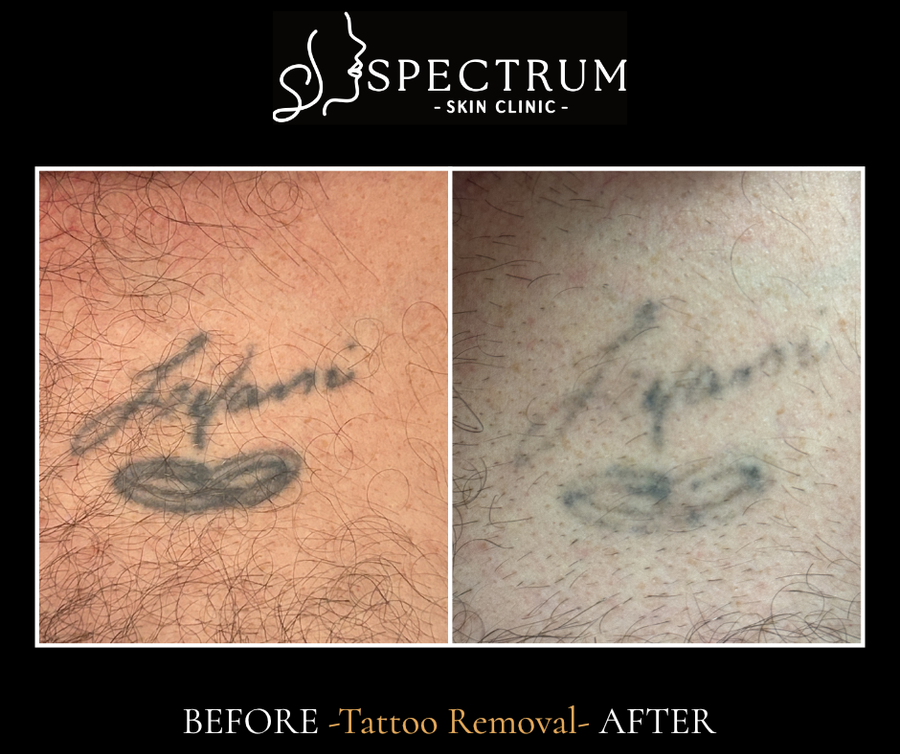
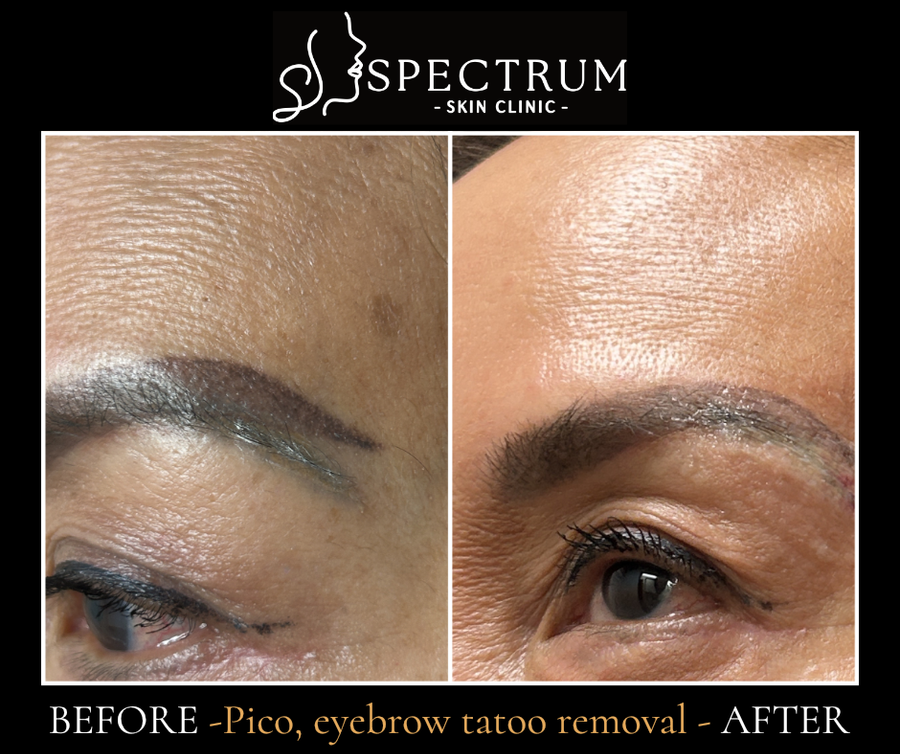
Laser and Energy Results
Treated by Dr. Sabeen Munib, MD at Spectrum Skin Clinic in Irvine. Each case names the platform used.
How the Device Gets Chosen
Every one of these platforms works by delivering energy that some component of the skin absorbs. What differs is which component, how deep, and over what timescale. Melanin, haemoglobin and water each absorb different wavelengths, which is why a device that clears a brown spot does nothing for a red one.
Pulse duration matters as much as wavelength. A picosecond pulse delivers energy faster than heat can spread into surrounding tissue, which is why picosecond platforms behave differently from nanosecond ones on pigment even at the same wavelength.
Why skin type narrows the list
Any device that targets melanin will also see the melanin in the skin around the target. In darker Fitzpatrick types that raises the risk of post-inflammatory hyperpigmentation, and it is the single most common way laser treatment goes wrong cosmetically.
This is where a broad roster earns its place. Radiofrequency has no melanin chromophore at all, picosecond delivery reduces thermal spread, and conservative settings on a gentler platform will often achieve in a series what an aggressive setting would risk in one visit. The device is chosen around your skin, not the other way round.
The Decision Table
Which Platform Suits Which Concern
Read down the left column to the concern that sounds most like yours. Each row links onward in the treatment list at the foot of this page.
Combined Approaches
Why Plans Often Use More Than One Platform
Candidacy
Who These Treatments Suit
Almost everyone is a candidate for something on this list. The useful question is which platform, at what settings, and in what order, and that is what the consultation exists to answer.
How Dr. Munib decides
She establishes what is actually driving the appearance you dislike, then assesses skin type and pigment risk, prior treatment and how you responded to it, barrier condition, and how much recovery you can realistically accept. The device follows from that rather than preceding it.
Often a good fit
Pigment, sun damage, diffuse redness, surface texture, acne scarring, mild to moderate laxity and unwanted hair, in patients with realistic expectations and the ability to follow aftercare.
Where lasers are not the answer
Established structural descent, significant volume loss treated as though it were laxity, active skin infection or inflammatory disease, recent isotretinoin use, pregnancy, and any expectation of a surgical result from a non-surgical device.
Timeline
What to Expect Across Laser Treatment
Recovery differs substantially between platforms. These are general patterns across the category, not a prediction for any specific device or patient.
Risks
Risks That Apply Across Laser and Energy Treatment
Different platforms weight these differently, which is part of why the selection matters.
Pigment change
Post-inflammatory hyperpigmentation is the most common cosmetic complication, particularly in darker Fitzpatrick types and particularly with devices that target melanin. Assessed individually before any device is chosen, and a test area may be used.
Burns, blistering and scarring
Any device delivering energy can burn if wavelength, settings, cooling or technique are wrong. This is the reason California restricts laser operation to licensed medical professionals and prohibits delegation to an esthetician.
Facial fat loss
Deep radiofrequency delivered at too high a thermal dose can injure subcutaneous fat and reduce volume. On October 15, 2025 the FDA issued a safety communication on radiofrequency microneedling citing reported burns, scarring, facial fat loss, disfigurement and nerve damage.
Infection and delayed healing
Ablative resurfacing creates an open wound pattern and aftercare is not optional. Cold sore history should be disclosed so prophylaxis can be considered.
Treating the wrong target
The least dramatic risk and the most common. A device aimed at the wrong component of the skin produces a disappointing result at full price, which is what the assessment exists to prevent.
Risks and realistic expectations are reviewed at consultation and documented in consent before any treatment.
How risk is limited here
Device and settings chosen after assessment rather than from a fixed protocol, conservative settings across a series rather than maximum settings in one pass, a test area where pigment risk is a concern, and the physician operating the device personally.
Aftercare Across Laser Treatment
Cost
What Laser Treatment Costs Here
Price depends on the platform and on what is being treated. Laser Genesis is $300 a session and Secret PRO is $1,200. Several platforms, including Fotona, are quoted at consultation because the plan depends on the areas included and the number of sessions advised.
Most laser treatment is planned as a short series rather than a single visit, and the full plan is priced before anything begins so there is no running total during the course. Where a plan uses more than one platform, that is quoted together.
Pay monthly with


The Fair Challenge
Is Twelve Platforms Just Equipment Collecting?
It is a reasonable suspicion, and for some practices it would be true. Equipment is easy to buy and easy to feature on a website, and a long device list can be marketing rather than medicine.
The test is whether the range changes recommendations. It does here in a specific way: it makes it possible to say no to the obvious device. A patient with pigment in darker skin can be moved to a gentler platform and a longer series instead of an aggressive setting. A patient whose complaint is redness rather than texture does not get resurfaced. Those decisions are only available if the alternative is in the building.
It also means being honest about what is not here. We do not own Morpheus8, Thermage, Ultherapy or Halo, and we will not book you for one and substitute something else. Where we evaluated a device and chose differently, the reasoning is written up, including the criteria where the device we did not buy is the better tool.
Explore
Related Treatments
Picoway Laser
Candela PicoWay, our picosecond platform for pigment and tattoo.
Nordlys IPL
Nordlys IPL for sun damage, vessels and redness.
Laser Genesis
Laser Genesis for diffuse background redness, with no downtime.
Carbon Laser Facial (Charcoal Peel)
Carbon laser facial, delivered on the Curas Q-switched platform.
Fotona 4D Laser Skin Tightening
Fotona 4D, laser tightening across four modes.
Fotona Erbium Laser Resurfacing
Fotona erbium resurfacing, where surface texture is the priority.
Fractional CO2 Laser
Fractional CO2, the ablative option for deeper texture and scarring.
Secret PRO
Secret PRO, RF microneedling and fractional CO2 on one platform.
Matrix Pro
Candela Matrix PRO, RF microneedling at three depths per insertion.
V-ZET HIFU
Vzet HIFU, focused ultrasound for deeper structural tightening.
Laser Hair Removal
Laser hair removal on the Vikini diode platform.
Fotona Laser Nail Fungus Treatment
Laser treatment for nail fungus, a Fotona specialty indication.
Glass Skin Facial
The Glacē facial, hydrodermabrasion rather than an energy device.
Morpheus8 vs Matrix
Morpheus8 compared with Matrix, including where Morpheus8 is better suited.
XeRF vs Fotona
XeRF compared with Fotona, and why we chose laser over monopolar RF.
Skin Tightening
The non-surgical skin tightening overview across platforms.
Radio Frequency Micro-needling
RF microneedling as a category, and how our platforms differ.
Patient reviews
What Patients Say
4.97★ across 441 verified Boulevard patient reviews.

Mahjabeen Saeed

Deepak Jadhav

Jamel Neill


Questions
Frequently Asked Questions
Because no single device treats pigment, redness, texture, laxity, hair and vascular lesions well. A practice built around one signature laser has to route every patient toward it, which is fine when your concern happens to match and poor when it does not. Carrying a range means the recommendation can follow your skin rather than our inventory.
It depends on what is actually driving the appearance you dislike. Pigment, vascular redness, surface texture, laxity and hair each respond to different wavelengths and mechanisms, and they frequently coexist. The decision table on this page is a starting point, but the assessment at consultation is what sets the plan.
Dr. Sabeen Munib, MD. In California, estheticians are prohibited from operating lasers or IPL, and a physician cannot delegate laser operation to one regardless of supervision. If a clinic tells you an esthetician will run your laser, that is outside scope rather than a difference in preference.
No. Those are devices we do not own, and we will say so rather than book you and substitute something else. Where we have evaluated a device and chosen differently, we have written up the reasoning, including where the device we did not buy is the better tool. See the Morpheus8 and XeRF comparisons.
It varies by platform and by what is being treated. Laser Genesis is $300 a session and Secret PRO is $1,200. Several platforms are quoted at consultation because the plan depends on the number of areas and sessions. The full plan is priced before treatment begins.
Some are, some are not, and this is one of the main reasons the range matters. Devices that target melanin carry real risk of pigment change in darker Fitzpatrick types, while radiofrequency has no melanin chromophore and picosecond platforms deliver energy in much shorter pulses. Your skin type and any history of pigment reaction are assessed before any device is selected.